Hyperbaric Oxygen Therapy
A Life-Saving Therapy
What is Hyperbaric Oxygen Therapy (HBOT)?
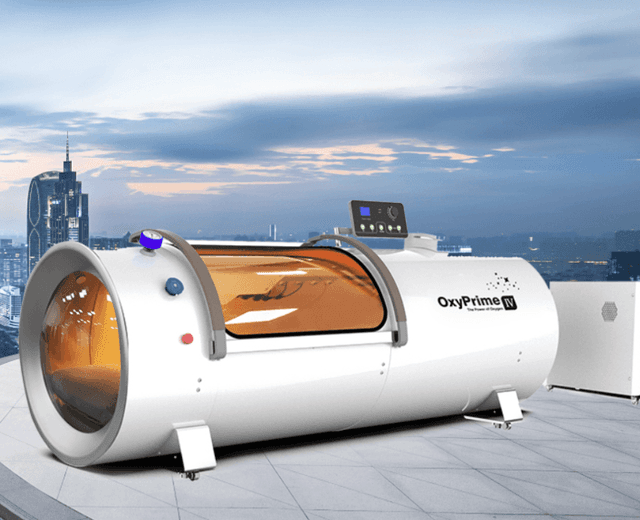
Hyperbaric Oxygen Therapy (HBOT) involves breathing pure oxygen in a pressurized chamber at a pressure higher than normal atmospheric pressure.
This increased pressure allows oxygen to dissolve in greater amounts in the blood and tissues, promoting healing, infection control, and regeneration of poorly oxygenated areas.
In a hospital setting, this therapy is recognized as an essential adjunct treatment, often capable of saving lives or preventing serious complications.
⚙️ How a Session Works
HBOT sessions are conducted under medical supervision in the hyperbaric chamber at the
Centre for Alternative and Complementary Medicine of Saint-Gilles-Croix-de-Vie.
- Duration & frequency: according to protocol and condition
- Number of sessions: 3 to 40, depending on the condition treated
- Cost: €50 per session
🩺 Common and Recognized Indications for HBOT
- Air embolism / decompression sickness → Reduces bubble size and restores circulation (gold standard treatment)
- Carbon monoxide poisoning → Pure oxygen displaces CO, protecting the brain and heart
- Necrotizing infections → Inhibits anaerobic bacteria and promotes tissue repair
- Refractory chronic osteomyelitis → Oxygen penetrates poorly vascularized bone and enhances antibiotic efficacy
- Post-radiation injuries → Stimulates neovascularization and reduces fibrosis
- Skin grafts → Improves graft survival
- Severe burns → Accelerates healing and limits secondary damage
- Severe anemia (when transfusion is not possible) → Provides temporary dissolved oxygen supply
- Intracranial abscess → Optimizes oxygenation alongside conventional treatments
- Sudden hearing loss → Supports microcirculation in the inner ear
🔬 Emerging Research-Based Indications
- Stroke and post-stroke sequelae
- Neurodegenerative diseases (Alzheimer’s, Parkinson’s, multiple sclerosis, ALS)
- Autism spectrum disorders (ASD)
- Fibromyalgia and chronic fatigue syndrome
- Migraine and cluster headaches
- Diabetic wounds, chronic ulcers, pressure sores
- Chronic pain and complex regional pain syndrome (CRPS)
- Autoimmune and infectious diseases (Lyme, lupus, scleroderma)
- Surgical preparation and recovery
- Regenerative and anti-aging medicine (PRP, stem cells)
- Athletic performance and muscle recovery
- Adjunct therapy in certain cancers
⚠️ Contraindications
- Untreated pneumothorax
- Acute ear infection or sinusitis
- Recent thoracic surgery
- Inability to equalize ear pressure (Valsalva maneuver)
📚 Scientific References
Numerous studies validate the medical benefits of hyperbaric oxygen therapy.
Notable examples include:
- Efrati et al., PLoS ONE, 2013
- Hadanny et al., Restorative Neurology and Neuroscience, 2020
- Li et al., Frontiers in Aging Neuroscience, 2024
- Yildiz et al., NeuroRehabilitation, 2022
- Neubauer & Gottlieb, Lancet, 1983
- Calvert et al., Amyotrophic Lateral Sclerosis Journal, 2004
- Rossignol et al., BMC Pediatrics, 2009
- Chen et al., Medical Gas Research, 2012
- Efrati et al., PLoS ONE, 2015
- Shai et al., Pain Medicine, 2024
- Di Sabato et al., Cephalalgia, 1997
- Bennett et al., Cochrane Review, 2015
- Löndahl et al., Diabetes Care, 2010
- Fife et al., Undersea & Hyperbaric Medicine, 2007
- Kiralp et al., Pain Medicine, 2025
- Peirce et al., International Journal of Dermatology, 2019
- Perkins et al., Medical Hypotheses, 2021
- Hyman et al., Journal of Clinical Microbiology & Infection, 2022
- Marx et al., Plastic & Reconstructive Surgery, 1990
- Hart et al., Annals of Plastic Surgery, 2022
- Thom et al., American Journal of Physiology, 2006
- Asmis et al., Circulation Research, 2010
- Hachmo et al., Aging, 2020
- Burgos et al., Frontiers in Physiology, 2021
- Kjellberg et al., Journal of Strength & Conditioning Research, 2023

Discover other services